
Review · MOUNTAIN ZIPLINE TOURS
Denver: 6-Zipline Rocky Mountains Adventure Tour
The best part of this Rocky Mountain zipline tour is the setting: you fly through pine forest and over open mountain meadows at more than 8,000 feet, with the air noticeably cooler than in Denver. I like the mix of fast rides and real outdoor scenery, and I like that the course is close enough to fit into a half-day plan. The catch is the uphill walking, especially before the first two lines, so this is not a sit-back-and-watch activity.
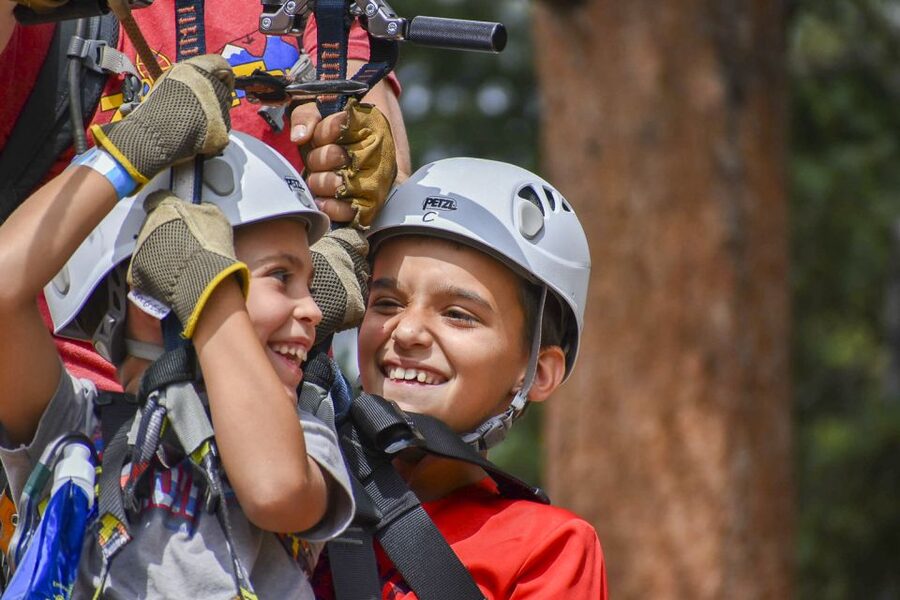
You’ll spend about three hours with ACCT-certified guides and safety equipment, riding more than 6,000 feet of cable at speeds reaching 50 mph. Guides including Sam, Heath, and Tony have been praised for keeping the mood light while explaining the equipment clearly. Bring water, sunglasses, sturdy shoes, and extra layers. Leave the full backpack behind.
Key points to know before you book
- Six ziplines cover more than 6,000 feet: You get a proper half-day course, not one quick ride followed by a long wait.
- The highest lines reach about 200 feet: Expect open air, pine trees, mountain meadows, and a serious view below.
- The course sits above 8,000 feet: Temperatures can be up to 20 degrees cooler than in Denver.
- A 15 to 20 minute uphill hike is part of the outing: Tennis shoes or hiking shoes matter here.
- The guides are a major strength: Sam, Heath, and Tony are among the guides named in especially positive feedback.
- The weight limits are strict: Riders must weigh between 40 and 245 pounds, including clothing and shoes but not zipline gear.
Why this zipline course works so well near Denver
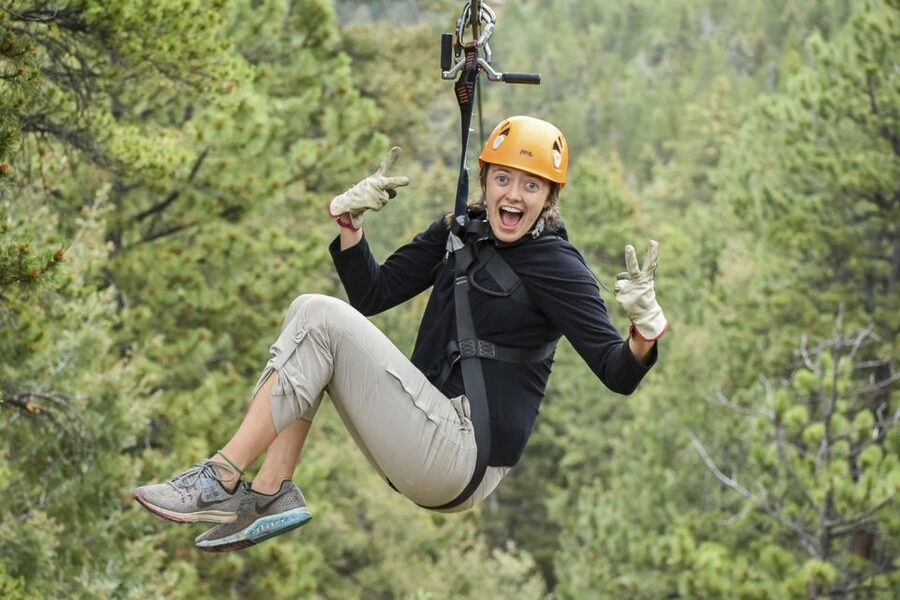
Many Denver activities require a full day in the car before the main event begins. This one starts in Conifer, about 30 minutes from downtown Denver, at 26267 Conifer Road. That short drive makes the tour easy to pair with other plans, though you still need to allow time for mountain traffic and the return journey.
The course is set in a Rocky Mountain pine forest at an elevation above 8,000 feet, roughly 2,500 meters. That height shapes the whole experience. You get cooler air, tall trees, mountain meadows, and wider views than you would find on an urban adventure course. It also means the weather can change quickly, so a warm, sunny morning in Denver does not guarantee warm conditions at the ziplines.
I like the balance here. The rides supply the adrenaline, but the scenery keeps the activity from feeling like a simple amusement-park attraction. You are moving through a natural mountain setting, with the cables carrying you over trees and open ground. At the same time, this is still an engineered course with trained staff and fixed safety procedures. You get adventure without having to arrange a technical outdoor expedition.
More Mountain Zipline Tours in the USA
- Rocky Mountain 6-Zipline Adventure on CO Longest and Fastest!
★ 5.0 · 758 reviews - 6 Dual-Zipline Mountain Adventure in Maui
★ 5.0 · 738 reviews - 12-Zipline Adventure in the San Juan Mountains near Durango
★ 5.0 · 198 reviews
Starting at 26267 Conifer Road
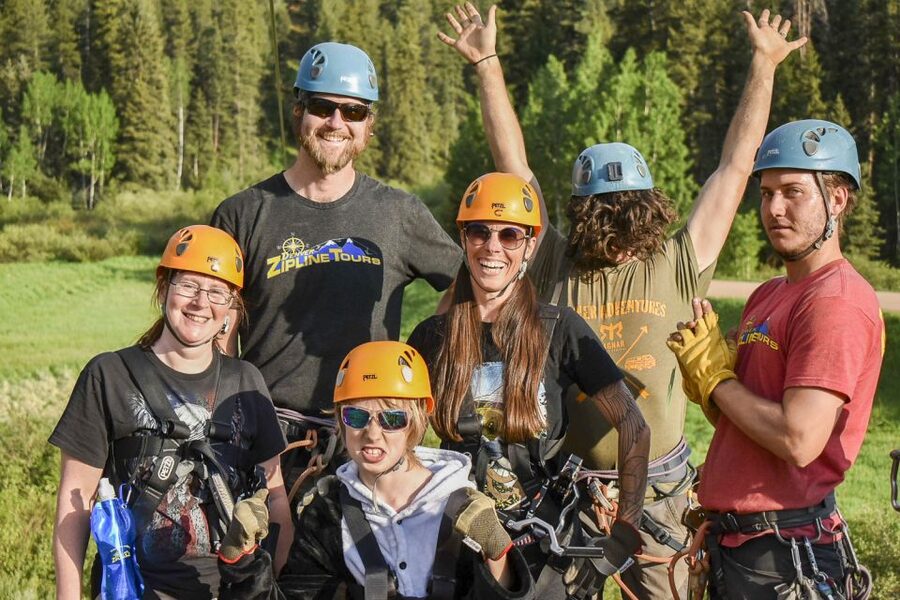
The tour begins and ends at 26267 Conifer Road in Conifer, Colorado. The standard arrangement is for you to make your own way there. If you do not have a car, Denver Adventures can arrange pickup and drop-off for an extra fee from downtown Denver, the Denver Tech Center, or locations west of Denver. The drive is about 30 minutes each way.
That transfer option can make sense if you are staying in Denver and do not want to rent a car for one activity. It also adds cost, so compare the extra fee with a rideshare or rental car before booking. The supplied information does not give a fixed transfer price, so ask the operator for the current amount.
At check-in, the operator strictly enforces the weight range. You must be between 40 and 245 pounds, and the private weigh-in includes your clothes and shoes but not the zipline equipment. This is worth knowing before you arrive. It is not a casual estimate, and the limit can affect the whole party’s ability to participate.
The safety briefing and uphill approach
Before you ride, the guides provide a safety briefing and fit you with the required equipment. The course and guides are certified by the Association for Challenge Course Technology, or ACCT. That certification does not make the activity risk-free, but it does indicate that the course and operating procedures follow an established industry standard.
Expect the guides to explain how to use the gear, how to position yourself, and what to do at the platforms. The names most often associated with the guiding team are Sam, Heath, and Tony, though the staff working on your date may differ. The strongest theme in the feedback is their combination of competence, humor, and calm support. That matters when you are standing on a platform and trying to remember several instructions at once.
The first physical test is not the zipline itself. You face a 15 to 20 minute uphill hike, and the first two approaches can feel steep. One useful tip is to bring water or use the refill stations along the route. Wear closed-toe shoes with a solid sole. Sneakers can work, but hiking shoes may feel better if you are comfortable wearing them.
This walk is the main reason I would not recommend the activity to someone with a low fitness level. You do not need to be a serious hiker, but you should be comfortable walking uphill in mountain air while wearing safety equipment. The altitude can make familiar exertion feel harder than expected.
Six rides through trees and meadows
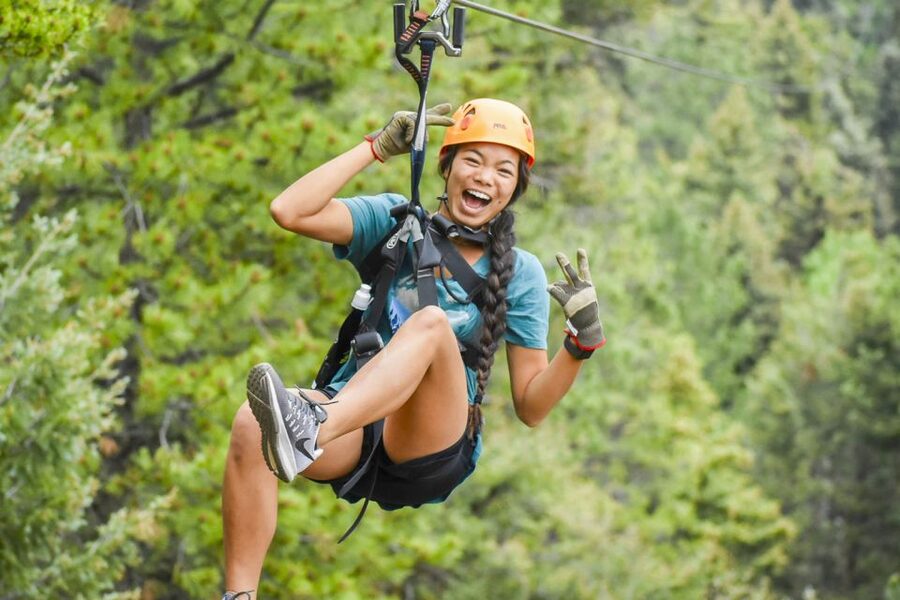
The course includes more than six ziplines, with a combined length of over 6,000 feet, or about 2,000 meters. The exact feel of each line can vary, but the overall pattern takes you through pine forest and across open mountain meadows. Some rides put you close to the trees, while others give you a more open view and a stronger sense of height.
Speeds can reach 50 mph, or about 75 kph. That is fast enough to create a real rush, but the course is not only about speed. The quieter moments on the platforms give you time to look at the surrounding Rocky Mountains, catch your breath, and listen to the guides before the next launch.
The advertised height reaches about 200 feet, or roughly 75 meters. If you are uneasy with heights, that number deserves serious attention. The course can be a good place to build confidence because the guides explain each step and stay close to the process, but you should not book it hoping your fear will simply disappear. One person who had been worried about heights found the support helpful, yet fear remains a valid reason to choose a different activity.
I especially like the way the course combines forest and meadow. A zipline over trees gives you a close, enclosed feeling, while a line over a meadow opens the view and makes the elevation more obvious. That change of scenery gives the three hours a natural rhythm.
More Mountain Ziplines in the USA:
- 4 Dual-Zipline Mountain Adventure in Maui
★ 5.0 · 64 reviews - Alpine Zipline Adventure in Juneau, AK
★ 5.0 · 61 reviews - Horseback & Zipline Adventure in Alaska Mountains includes Lunch
★ 5.0 · 27 reviews - Rocky Mountain 4-Zipline Adventure on CO Longest and Fastest!
★ 5.0 · 26 reviews
Guides who make the hard parts easier
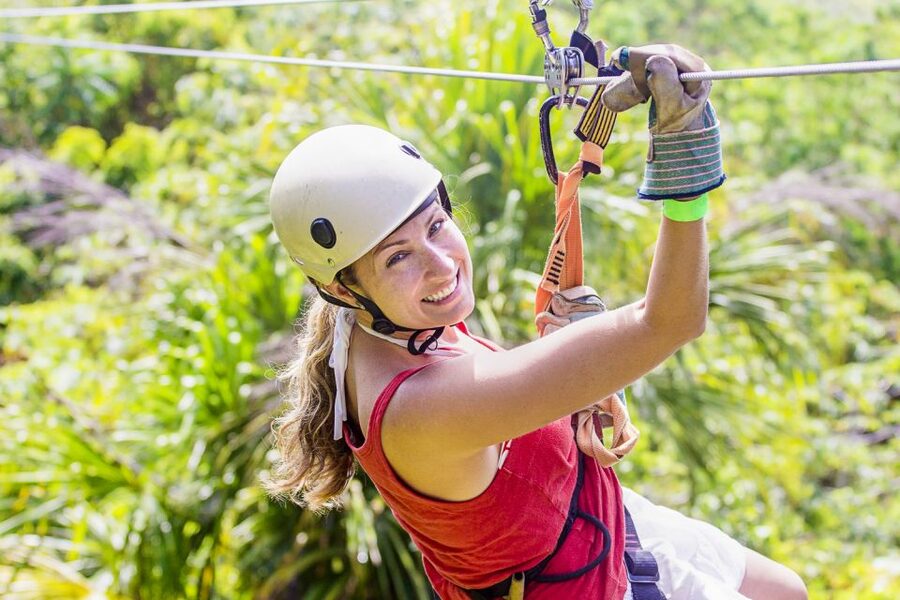
The guides are central to the quality of this experience. A zipline course can have beautiful scenery and still feel uncomfortable if the staff rushes people or treats nervous riders as a nuisance. Here, the guide team is repeatedly described as attentive, funny, supportive, and careful about safety.
Sam, Heath, and Tony are names worth noting, especially if you enjoy a guide who keeps the atmosphere friendly. The staff may not be the same on every departure, but you can expect English-language instruction and hands-on help with the equipment and course procedures.
The best guide teams do two jobs at once. They keep the course moving, and they watch for the person who needs a little extra time. That second job is important for families and mixed groups, where one person may be excited and another may be quietly reconsidering the whole plan at the first platform.
You should still take responsibility for your own limits. Tell the guides if you feel unwell, overly frightened, or unable to manage the hike. Their encouragement can help, but it should not pressure you into continuing when the activity is not right for your body.
What to wear and what to carry
The packing list is simple, but each item has a reason:
- Closed-toe shoes are required. Choose sneakers or hiking shoes rather than sandals or open footwear.
- Wear breathable clothing that allows movement.
- Bring sunglasses. They protect your eyes from glare and wind, and one rider specifically singled them out as essential.
- Pack sunscreen, a hat or cap, and a windbreaker.
- Light gloves can help on a cool day.
- Bring a water bottle, especially because the uphill walk can be strenuous.
- Tie back long hair. Hair ties may be available, but bringing your own is easier.
The information gives two different signals about backpacks. Backpacks are listed as not allowed, while the general preparation advice suggests a small backpack. To avoid a problem, follow the stricter instruction and do not arrive with a full pack. Ask Denver Adventures in advance how to carry or store essentials such as water, sunscreen, and a phone.
The temperature difference between Denver and the course can reach 20 degrees. Extra layers are not overpacking here. A light jacket may sit in your car in the city, while you appreciate it at the mountain site.
GoPro footage and other extras
GoPro cameras are available to rent onsite for an additional fee. This can be a worthwhile add-on if you want a record of the ride, since your hands are occupied and you may not want to risk using your own phone.
The camera option is especially useful on a course with changing scenery. A short clip through the trees or across a meadow can capture the speed better than a photo from the ground. One family found the footage particularly clear and memorable. Ask about the current rental price and how the camera is mounted before you decide.
Snacks and drinks are included, which helps after the uphill sections and the repeated rides. Do not treat that as a substitute for planning your own hydration. Bring water if permitted by the operator’s current gear policy, and confirm the storage arrangements before you arrive.
Is $151 a fair price?
At $151 per person, this is not a cheap add-on, but it is a substantial three-hour activity. The price includes the ACCT-certified course, certified guides, all required safety equipment, snacks, and drinks. You are paying for more than a single fast ride: the course covers over 6,000 feet of ziplines and includes instruction, equipment fitting, guided transitions, and several hours at the site.
The value is strongest if you already want a major outdoor activity and do not need transportation. The short distance from central Denver also saves time compared with a full-day mountain excursion. If you add pickup and drop-off, the total cost rises, so the convenience needs to matter to you.
Families and groups should also factor in the GoPro rental, gratuity, and possible transfer charges. Gratuity is not included, and the customary amount is listed as $10 to $20 per rider. It is appreciated for the guides’ work, but it should be part of your planning budget.
I would call the price reasonable for a well-equipped, guided half-day course, particularly if you value scenery and professional support. It is less appealing if you are mainly looking for the cheapest possible thrill or if you may not meet the physical requirements.
Weather, safety, and who should skip it
Mountain weather can change fast, and the operator may cancel the activity because of weather or other conditions. If that happens, you are offered a refund or a future trip. The flexible cancellation policy also allows a full refund if you cancel at least 24 hours in advance.
You should not take this tour if you are pregnant, have a heart condition, have had recent surgery or an injury, or have a low level of fitness. Severe fear of heights is another clear warning sign. The 15 to 20 minute uphill walk and the height of the lines make these restrictions practical, not merely fine print.
The activity suits adults, families, and first-time zipliners who can walk uphill and follow instructions. The guide support makes it approachable for beginners, while the speed and height give experienced riders enough excitement. It is a poor match for anyone wanting a gentle sightseeing trip with little physical effort.
My call: book it if you want a real half-day adventure
I would book this tour if I wanted a strong outdoor experience close to Denver, especially on a clear day when the mountain views and cooler air could be part of the appeal. The six-plus lines, 50 mph speeds, forest setting, and capable guide team give you a fuller experience than a short introductory zipline.
I would skip it if you dislike heights, struggle with uphill walking, or want a flexible sightseeing schedule. The weight check is strict, the weather can cancel plans, and the extra costs for transport, gratuity, and a GoPro can push the final bill higher.
For the right person, this is a lively way to spend three hours in the Rockies without committing to a full day away from Denver. Pack light, wear proper shoes, bring layers and water, and arrive ready to walk uphill before you fly.
FAQ
How long is the Denver Rocky Mountain zipline tour?
The activity lasts three hours, including the safety briefing, guided course time, hiking between sections, and zipline rides.
Where does the tour begin and end?
It begins and ends at 26267 Conifer Road, Conifer, Colorado 80433.
How far is the course from downtown Denver?
The course is about 30 minutes from downtown Denver by car.
Are hotel transfers available?
Yes. Pickup and drop-off can be arranged for an extra fee from downtown Denver, the Denver Tech Center, or locations west of Denver. The drive is about 30 minutes each way.
How many ziplines are included?
The course includes more than six ziplines totaling over 6,000 feet in length.
How fast and high do the ziplines go?
Speeds can reach 50 mph, and the lines can be about 200 feet above the ground.
What are the weight limits?
The minimum weight is 40 pounds and the maximum is 245 pounds. The private weigh-in includes clothing and shoes but not the zipline equipment.
What should I bring?
Bring sunglasses, closed-toe shoes, breathable clothing, sunscreen, a hat or cap, a windbreaker, light gloves, and water. The weather can be much cooler than in Denver. Backpacks are listed as not allowed, so confirm how to carry essentials before arriving.
Just added around the USA
- Hakalau: 9-Line Zipline Adventure with Umauma Falls View★ 4.5 · 7 reviews
- Twin Falls: Zip Line Tour★ 4.1 · 8 reviews
- Tree Tops Zip Line Canopy Tour★ 5.0 · 32 reviews
- New River Gorge, WV – Zip Line Tour★ 5.0 · 7 reviews
- Zipline Canopy Tour- ArborTrek at Smugglers Notch Resort★ 5.0 · 9 reviews
- Wildman Zip Line Tour★ 5.0 · 10 reviews
- Zipline and Adventure Tower at Ryze Adventure in Missouri★ 5.0 · 4 reviews
- Aerial Adventure Ropes Course in Sitka★ 5.0 · 12 reviews
Mountain Zipline Tours, compared.
Zipline Cape Town – From Foot of Table Mountain Reserve
Read our review →
Rocky Mountain 6-Zipline Adventure on CO Longest and Fastest!
Read our review →
Superfly Ziplines on Cougar Mountain – includes 4 ziplines!
Read our review →
12-Zipline Adventure in the San Juan Mountains near Durango
Read our review →
Tamborine Mountain TreeTop Challenge Adventure Park
Read our review →Browse the lists this tour appears in