
Review · NEW ZEALAND ZIPLINE TOURS
Coromandel: Guided Zipline Tour Experience
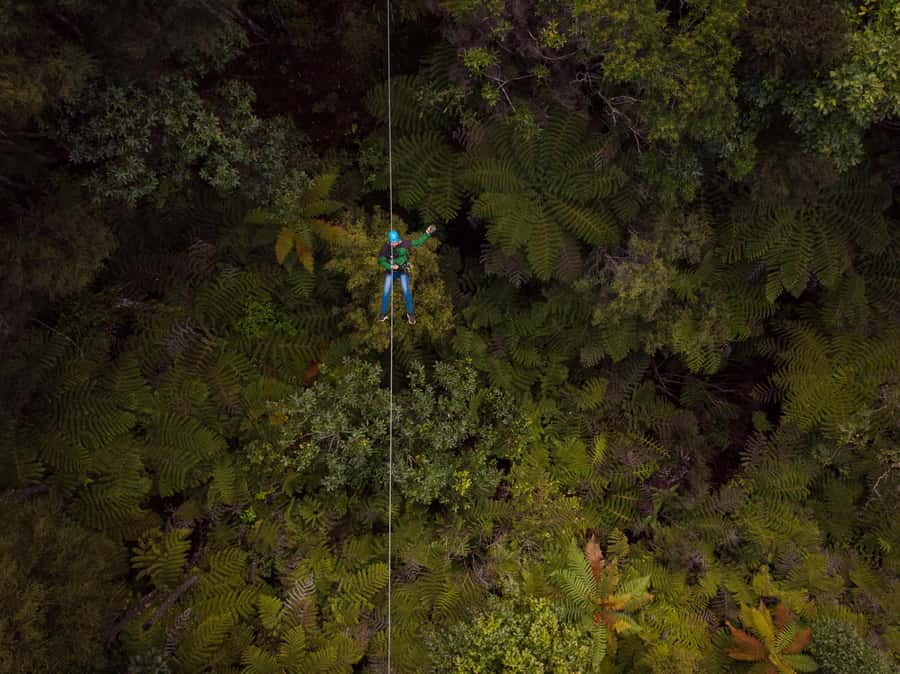
Coromandel’s most unusual thrill begins on the ground. You ride a small mountain railway into the forest, then clip into a series of eight ziplines above native trees. The longest run reaches 200 metres, and the highest platform sits 25 metres up.
I like the mix of railway history and forest adventure, and I like that the ticket helps fund native biodiversity work. The short walks between lines also matter: this is not just a blur of cables and speed. You get time to hear how logging and gold mining changed the area, and how the forest is now recovering.
The main consideration is comfort. You need to walk between tree platforms, wear closed-toe shoes, and handle heights. The tour is not suitable for wheelchair users, pregnant women, children under six, or anyone over 120 kilograms.
Key points to know
- The railway ride is part of the experience: A free 15-minute journey on New Zealand’s only mountain railway takes you to the zipline start.
- Eight lines give the tour good variety: The longest zipline is 200 metres, with tree platforms reaching 25 metres high.
- Guides run the show: Two English-speaking guides handle the safety system, explain the forest, and help you move through each platform.
- The group stays small: A maximum of 10 participants makes it easier to hear instructions and get help when needed.
- Rain does not necessarily stop play: Wet-weather gear is supplied, though you should still wear comfortable clothing and sturdy closed-toe shoes.
- The experience supports conservation: Part of your ticket helps fund projects for native biodiversity and forest care.
A mountain railway instead of a shuttle bus
Driving Creek’s old railway gives this tour a memorable opening. Rather than being driven straight to a platform, you spend about 15 minutes riding the mountain railway toward the start of the zipline course. That short journey adds a sense of place before the adventure begins.
It also gives you a look at how the site has been shaped by earlier industries. Coromandel was changed by kauri logging and gold mining, and the railway is tied to the area’s working past. Today, the same setting is being used for forest restoration and outdoor recreation.
That contrast is one of the best parts of the experience. You are not simply arriving at a commercial adventure park with a few trees around it. The route connects old engineering, local industry, handmade railway work, and a recovering native forest.
The train ride is free with the tour, so it adds value without making the experience longer than the advertised 150 minutes. It is also useful for settling your nerves. If you are new to ziplining, you have a little time to meet the guides, look around, and get ready before the first line.
A few more adventure days around New Zealand worth a look
- Mont Tremblant Guided Zipline Tour
★ 5.0 · 918 reviews - Fully Guided Zipline Canopy Tour through Kentucky River Palisades
★ 5.0 · 264 reviews - All-Day Guided Zipline Tour with Train Ride and Lunch in Durango
★ 5.0 · 133 reviews
Getting kitted up before the first line
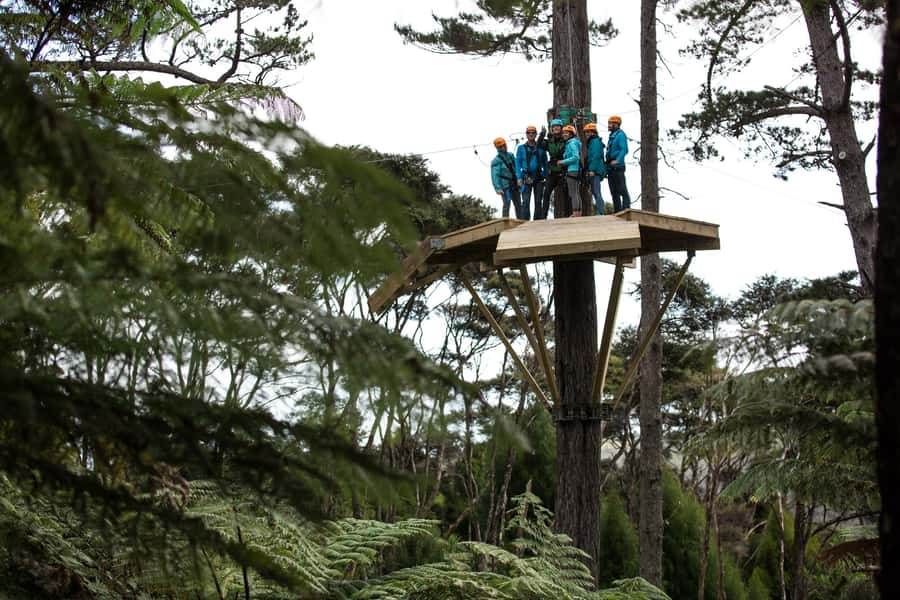
On arrival, staff provide the safety equipment you need. The guides then explain how the system works before taking the group into the forest. This briefing matters more here than on a simple amusement-park ride because you will move between platforms, clip into lines, and stop at different points along the route.
The guides are described as friendly, efficient, and focused on safety. That combination comes through in the practical details: they help participants get properly fitted, check the connections, manage the stopping process, and keep the group informed.
Specific guides can change, but CJ and Emily led one recent small group. CJ demonstrated the zipline technique and helped participants with braking and stopping, while Emily focused on anchoring and making sure everyone was clipped in safely. That gives you a useful picture of how the two-guide system works, although you should not assume the same pair will lead your tour.
The small-group limit of 10 is another plus. With two guides, that works out to a manageable ratio, especially for first-time zipliners. You are not left trying to work out the equipment alone, and there is room to ask questions without holding up a huge crowd.
Eight ziplines through native forest
The main course includes eight ziplines, with the longest stretching 200 metres. That is enough to create a real sense of progression, rather than giving you one short ride and sending you home.
You move from tree-based platform to tree-based platform. The highest reaches 25 metres, so the experience includes genuine height, but the forest setting softens the feel compared with a bare steel tower. You are surrounded by trunks, ferns, and native growth rather than looking out over a purpose-built ride complex.
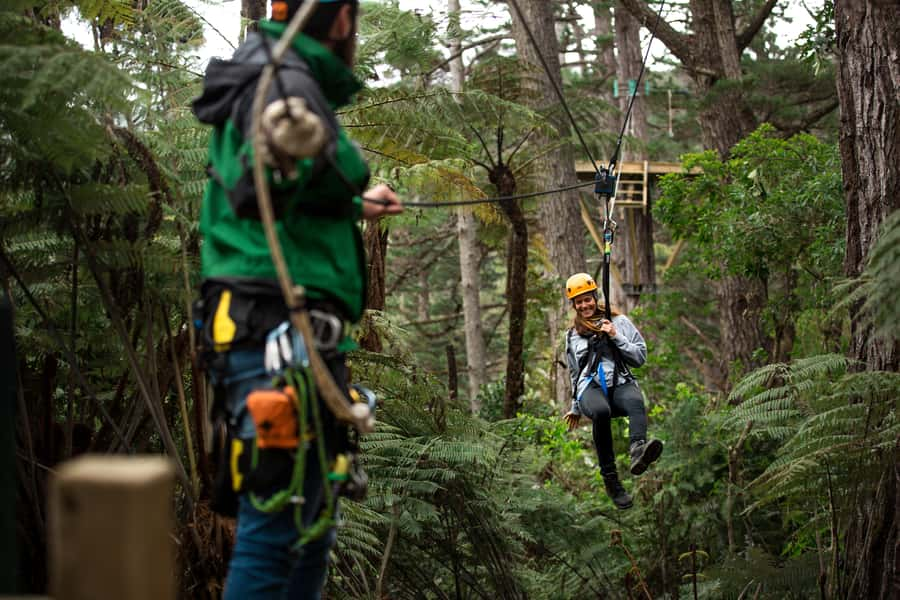
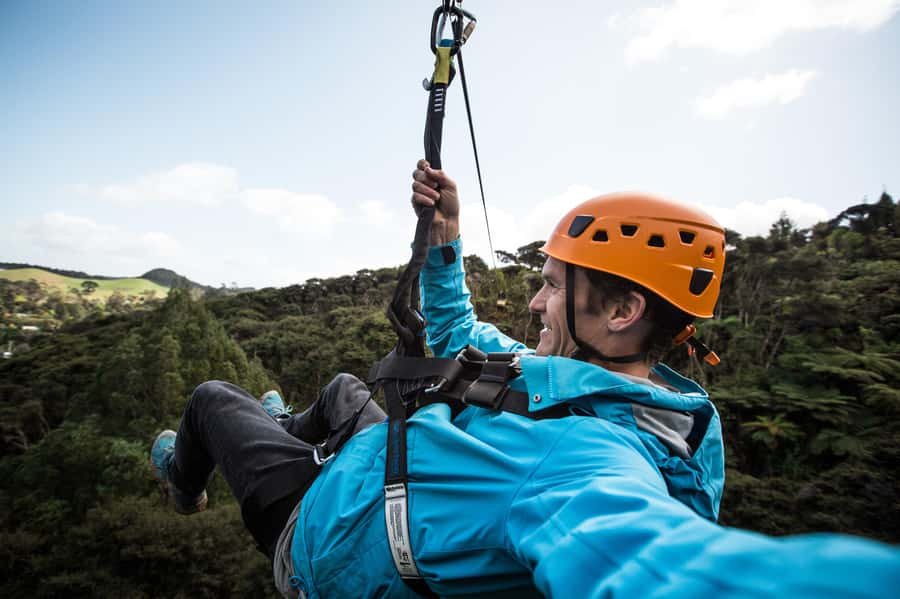
Each line gives you a different view and a different amount of time in the air. Some runs will feel quick, while the longer line gives you more time to settle into the movement. If you are experienced, you may enjoy trying different body positions where the guides allow it. One participant even managed some upside-down attempts after seeing the technique demonstrated.
Do not treat that as the main goal. Your first priority is listening to the guide, using the equipment correctly, and arriving safely at the next platform. The fun comes from gaining confidence as you go. A person who feels tense on the first line may find the later runs much more relaxed.
The zipline section is active, but it is not described as a nonstop race. Short walks link the platforms, giving you time to catch your breath and look into the forest. This rhythm works well for a mixed group, since not everyone will have the same level of fitness or comfort with heights.
The short walks are part of the story
The walking sections add more than a pause between ziplines. Guides explain how the area changed from a place affected by kauri logging and gold mining into a regenerating native forest.
That context gives the scenery more meaning. You can look at the trees and ferns, but you also learn to see the area as a work in progress. Native birds have a place to return to, and young kauri trees are part of the recovery.
The conservation message is not just an extra talk added to the tour. Your ticket contributes to not-for-profit projects that support native biodiversity, forest maintenance, and related work at the site. One participant also noted that the ticket supports the pottery studio, so the price helps maintain more than the zipline itself.
I appreciate that the activity gives you something to think about without turning into a long lecture. The guides keep the information tied to what you are seeing. You might be standing on a platform, walking under ferns, or waiting for the next line while hearing how the land was used in the past.
This makes the tour a better choice for people who want some local context with their adventure. If you only want maximum speed and repeated thrills, the walking and history may feel like an interruption. If you like understanding where you are, they improve the day.
Same canopy, a different kind of drop:
- Rotorua Canopy Tours: 2.5Hour Native Forest Zipline Adventure
★ 5.0 · 4,563 reviews - Rotorua’s Ultimate Zipline: 6 ziplines, 400 m Tandem, Cliff Walk
★ 5.0 · 2,557 reviews - Small-Group Zipline Adventure in Queenstown
★ 5.0 · 933 reviews - Waiheke Island: Zipline and Native Forest Adventure Trip
★ 4.9 · 695 reviews
How the 150 minutes feel
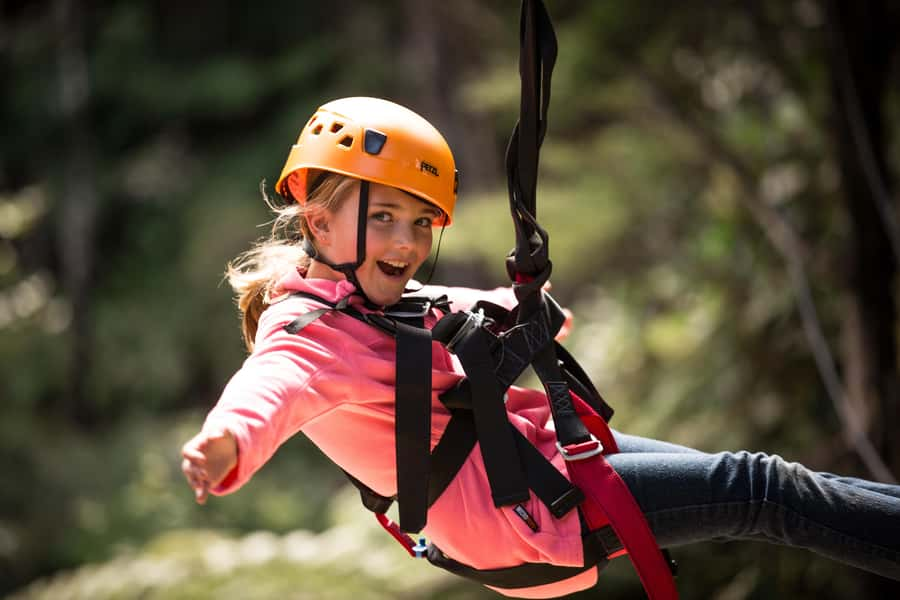
The advertised duration is 2.5 hours, including the railway journey, equipment fitting, safety briefing, eight ziplines, and walking between platforms. That is a useful length for a half-day plan.
You get enough time to feel that you have had a proper activity, but it does not take over the whole day. You could pair it with other Coromandel plans, though you should allow time around the booking itself rather than scheduling another activity too tightly.
The exact starting time depends on availability. Since the experience includes a fixed railway journey and a guided course, arriving late is not ideal. One small group arrived late and was still accommodated, but that should not be treated as a guarantee. Give yourself enough time to reach the site, park, and get ready.
The pace will depend on group size and how quickly people become comfortable with the equipment. A private-feeling group of two may move differently from a full group of 10. Either way, the guides are responsible for keeping the activity moving while maintaining safety.
Free photos taken by the guide are included. That is a useful touch because your hands will be occupied and you may not want to carry a phone through the course. It also means you can focus on the lines instead of trying to document every moment yourself.
Is the $87 price good value?
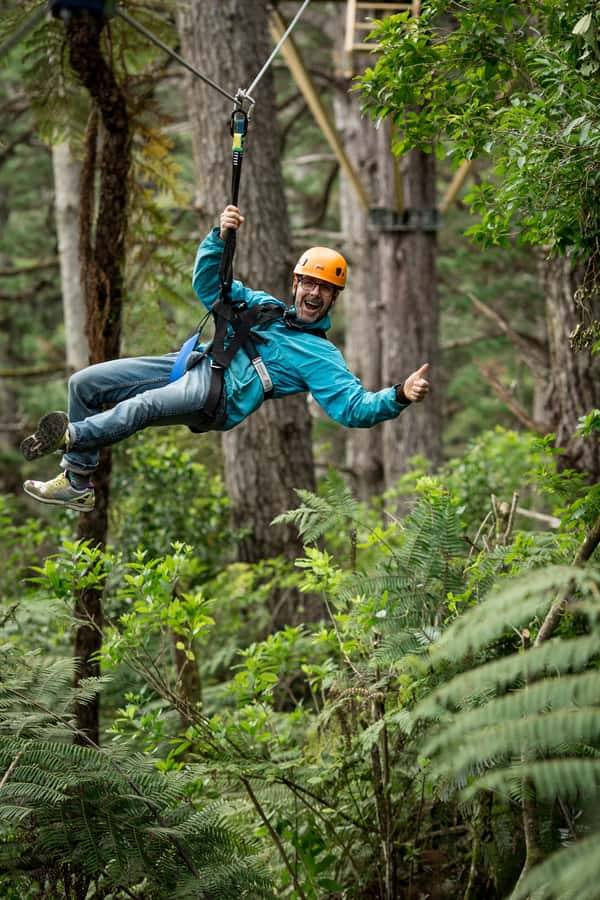
At $87 per person, this is not a casual add-on like a short lookout walk. You are paying for a 2.5-hour guided activity with eight ziplines, a railway ride, equipment, rainwear, guide support, photos, and a small group capped at 10.
The price looks stronger when you consider what is bundled in. You do not need to hire safety gear, buy separate wet-weather equipment, or pay extra for the mountain railway. You also get two guides and an experience that supports conservation projects.
The railway is important to the value. A standard zipline course might give you the same basic sensation of moving between trees, but this tour adds a historical transport element and a clear connection to the site’s past.
Food and drinks are not included. One participant would have liked a cafe at the site, so plan ahead if you need a meal or snack. The supplied information does not promise refreshments, and you should not count on buying food as part of the activity.
I would call the price fair for someone who values a full, guided experience rather than the cheapest possible zipline. It is especially reasonable if you care about the conservation contribution and want the railway ride included. It may feel expensive if your only aim is a few minutes of flying through the trees.
Who will enjoy this most?
This tour suits adults, families with children aged six and over, first-time zipliners, and anyone who likes a little history with an outdoor activity. The safety focus makes it a sensible option for beginners who want clear instruction before trying the lines.
It also works for people who prefer variety. You ride a railway, walk through forest, learn about land use, and complete eight ziplines. The activity keeps changing, which helps the 150 minutes pass without feeling repetitive.
Children must be at least six years old, and all participants must wear closed-toe footwear. The maximum weight is 120 kilograms, or 264 pounds. Pregnant women and wheelchair users cannot take part.
Wear comfortable clothes suited to the weather. Wet-weather gear is available, but your own clothing should still allow you to walk and move easily. Take any personal medication you need, and remember that food and drinks are not supplied.
You should also be ready for height and some physical movement. The tour includes walking between platforms and standing during the activity. If heights make you very uncomfortable, the guides may help you manage the course, but the experience is still built around elevated platforms and zipline travel.
What the guide style adds
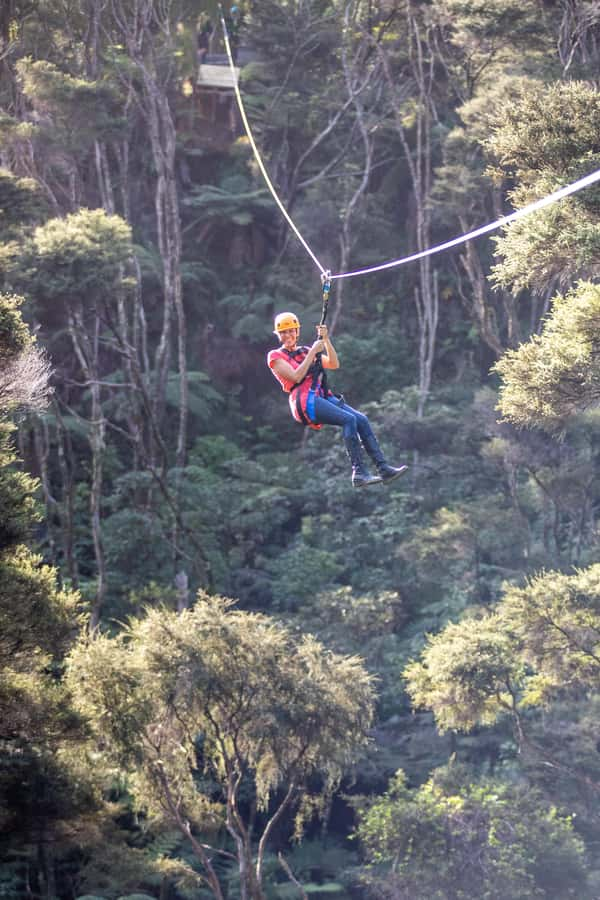
The best part of a guided zipline is not only the safety check. It is the confidence that comes from having someone explain each step in plain language.
The guides described for this experience are friendly, enthusiastic, and professional. They keep people informed, help with clipping in, control the arrival at platforms, and explain the forest along the way. That combination is particularly helpful when a group includes both confident participants and people trying a zipline for the first time.
The two-guide setup also makes the activity feel looked after without making it feel overmanaged. One guide can focus on the person moving across the line while the other prepares the next step or checks the rest of the group.
Expect English-language guiding. The information and safety briefing are delivered in English, so you should be comfortable understanding instructions in that language.
Practical limits and booking flexibility
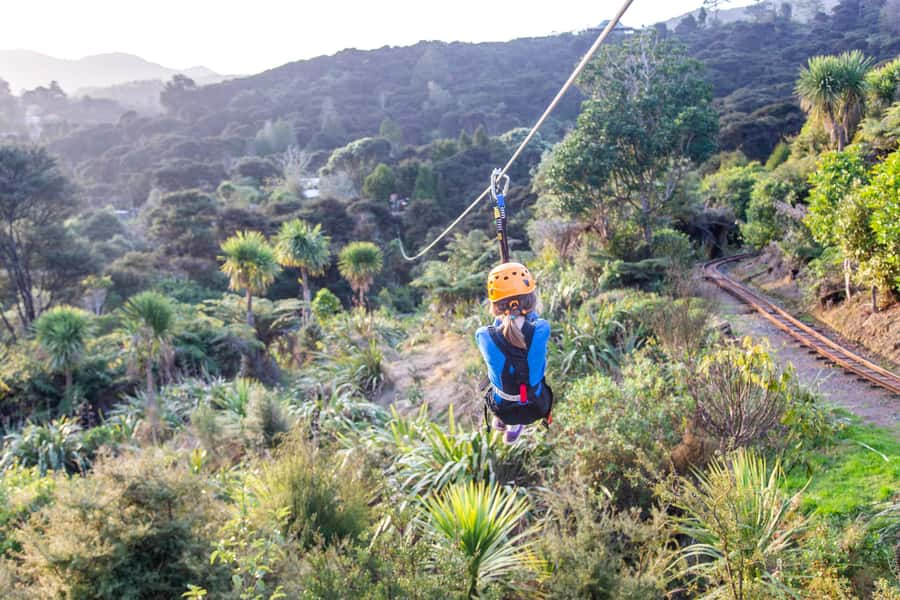
You can cancel up to 24 hours before the activity for a full refund. You can also reserve now and pay later, which helps if you are planning a North Island trip with several moving parts.
Check the available start times before building your day around it. The experience lasts 150 minutes, but you should also leave breathing room for arrival and departure.
The weather policy is not stated in the supplied details, but wet-weather gear is provided to keep you dry and warm during the activity. That means rain alone may not ruin the experience, though you should still dress for the forecast.
The 4.9 rating from 62 recorded ratings reflects a very strong response, with praise focused on safety, guide quality, organization, the forest setting, and the mix of adventure and information. The one practical criticism was the lack of a cafe at the site, which is easy to handle if you bring or eat food before the tour.
Should you book the Coromandel zipline tour?
Book it if you want more than a quick zipline ride. The mountain railway, forest walks, conservation work, and eight lines make this a well-rounded Coromandel activity. It is especially good for first-timers who want calm instruction, a small group, and equipment supplied.
Think twice if you dislike heights, need wheelchair access, are pregnant, weigh more than 120 kilograms, or want a food-inclusive outing. Also remember that the experience includes walking and short waits between lines, so it is not pure nonstop action.
For most eligible visitors, the $87 price is justified by the length, the railway journey, the two-guide format, and the conservation contribution. Wear closed-toe shoes, arrive ready for changing weather, and leave room in your day for a proper forest adventure rather than a quick amusement ride.
FAQ
How long does the Coromandel zipline tour last?
The experience lasts 150 minutes, or 2.5 hours. This includes the railway journey, safety preparation, eight ziplines, and walking between forest platforms.
How many ziplines are included?
The tour includes eight ziplines. The longest is 200 metres.
How high are the zipline platforms?
The highest tree-based platform is 25 metres high.
Is the mountain railway included?
Yes. The tour includes a free 15-minute journey on New Zealand’s only mountain railway to reach the start of the zipline course.
What is the maximum group size?
The group is limited to 10 participants. Two guides lead the zipline experience.
What should I wear?
Wear comfortable, weather-appropriate clothing and closed-toe shoes. Wet-weather gear is provided, and you should bring any personal medication you need.
Is there a minimum age or weight limit?
The minimum age is six years old. The maximum weight is 120 kilograms, or 264 pounds.
Can I cancel or pay later?
You can cancel up to 24 hours in advance for a full refund. The booking option also allows you to reserve your place and pay later.
Just added around New Zealand
- Nature at its best Lake Tarawera Treetop Walk and Forest Spas★ 5.0 · 2 reviews
- West Coast Tower Zipline & Treetop Walk Combo★ 4.5 · 19 reviews
- Christchurch Long Ride Zipline★ 5.0 · 8 reviews
- The Ultimate Canopy Zipline Experience Private Tour From Auckland★ 5.0 · 8 reviews
- Hokitika: West Coast Treetop Walkway Entrance Ticket★ 4.5 · 82 reviews
- Hokitika: West Coast Tree Top Tower Zip Line and Walk★ 4.2 · 55 reviews
- Rotorua: 6 Ziplines, 400m Tandem, Cliff Walk & Swing Bridges★ 4.9 · 93 reviews
- Waiheke Island Day Tour: Ziplining, Wine Tasting & Vineyard Lunch★ 5.0 · 106 reviews
New Zealand Zipline Tours, compared.
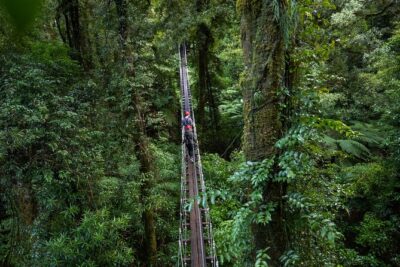
Rotorua Canopy Tours: 2.5Hour Native Forest Zipline Adventure
Read our review →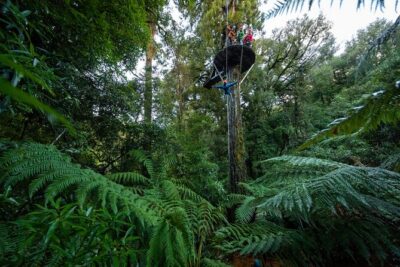
Rotorua’s Ultimate Zipline: 6 ziplines, 400 m Tandem, Cliff Walk
Read our review →
Waiheke Island: Zipline and Native Forest Adventure Trip
Read our review →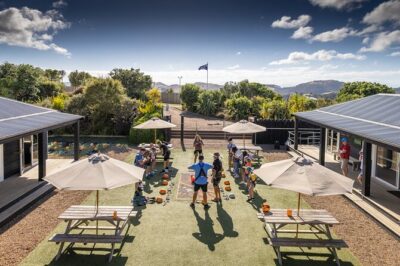
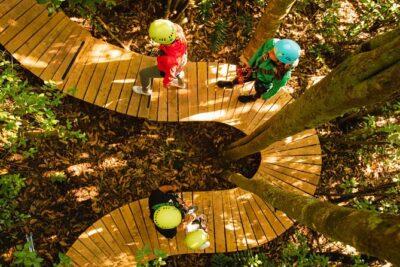
6 Ziplines, Swing-Bridges & Wildlife Encounters
Read our review →
Browse the lists this tour appears in